0 → 1blank canvas — no product, no templates, only a trust problem worth solving
Software companies needed QA professionals they could trust — but traditional hiring relied on resumes and interviews that couldn't verify real testing skill. Testers, meanwhile, lacked a platform that valued craft over credentials.
Problems identified
Unreliable talent poolsDifficulty finding reliable and skilled testers on freelance platforms
No verificationInconsistent quality and lack of verification across submissions
Unstructured workflowsNo structured workflow for testing projects from intake to delivery
Limited tester opportunityTesters struggle to get real project experience and stable income
Client riskHigh risk for clients due to unverified work and mis-hires
Business goals
01Build trust through quality control and verification
02Create structured opportunities for testers
03Enable clients to get reliable testing output without managing freelancers
04Establish a scalable and controlled marketplace model
My role: Lead Product Designer — authored the PRD, mapped user flows, designed every screen, and led end-to-end QA validation before launch.
Research & Insights
Understanding the marketplace gap
Research before pixels — analyzing existing platforms, interviewing stakeholders, and mapping the full testing project lifecycle.
01
Analyzed existing freelance testing platforms and their gaps
02
Interviewed potential clients and testers
03
Mapped the end-to-end testing project lifecycle
04
Identified the need for a three-layer validation system
Key insight
Most testing marketplaces fail because they lack quality gates. Clients don't trust output, and skilled testers don't get fair opportunities.
02 · Approach
Trust as a product feature
I authored the PRD and product architecture with one guiding question: How do you prove someone is truly good at what they do? Every screen and flow was designed to answer it.
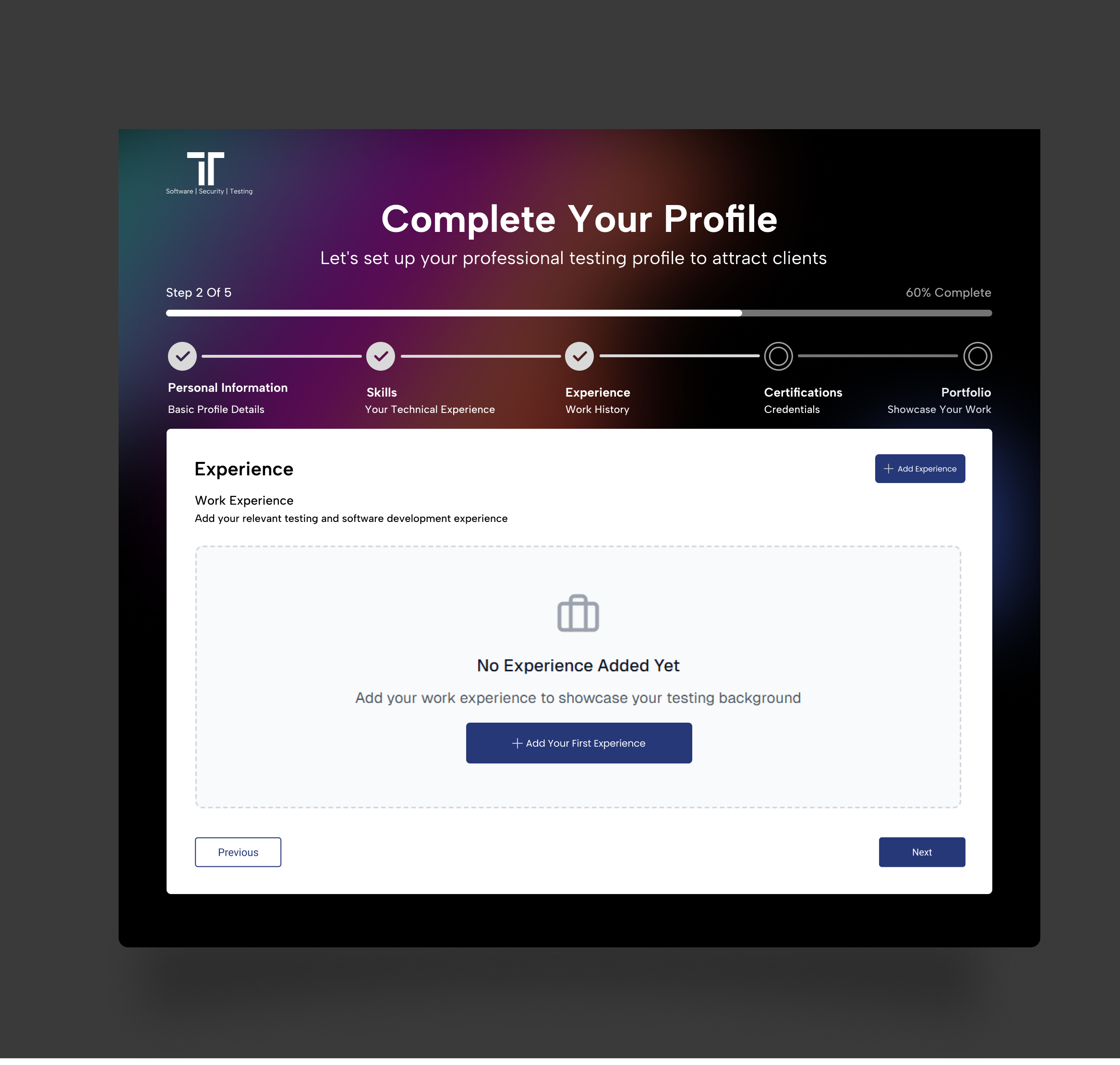
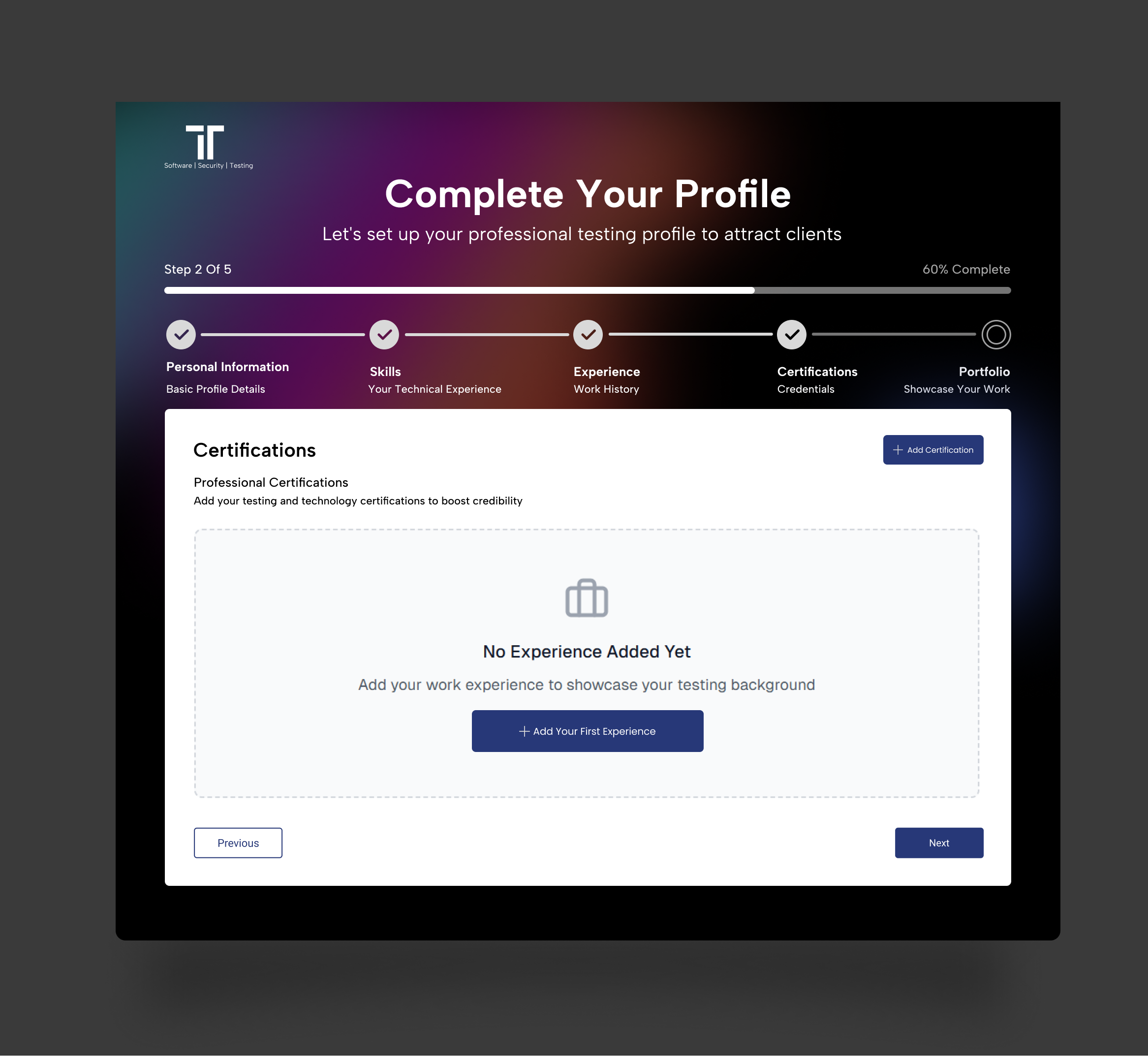
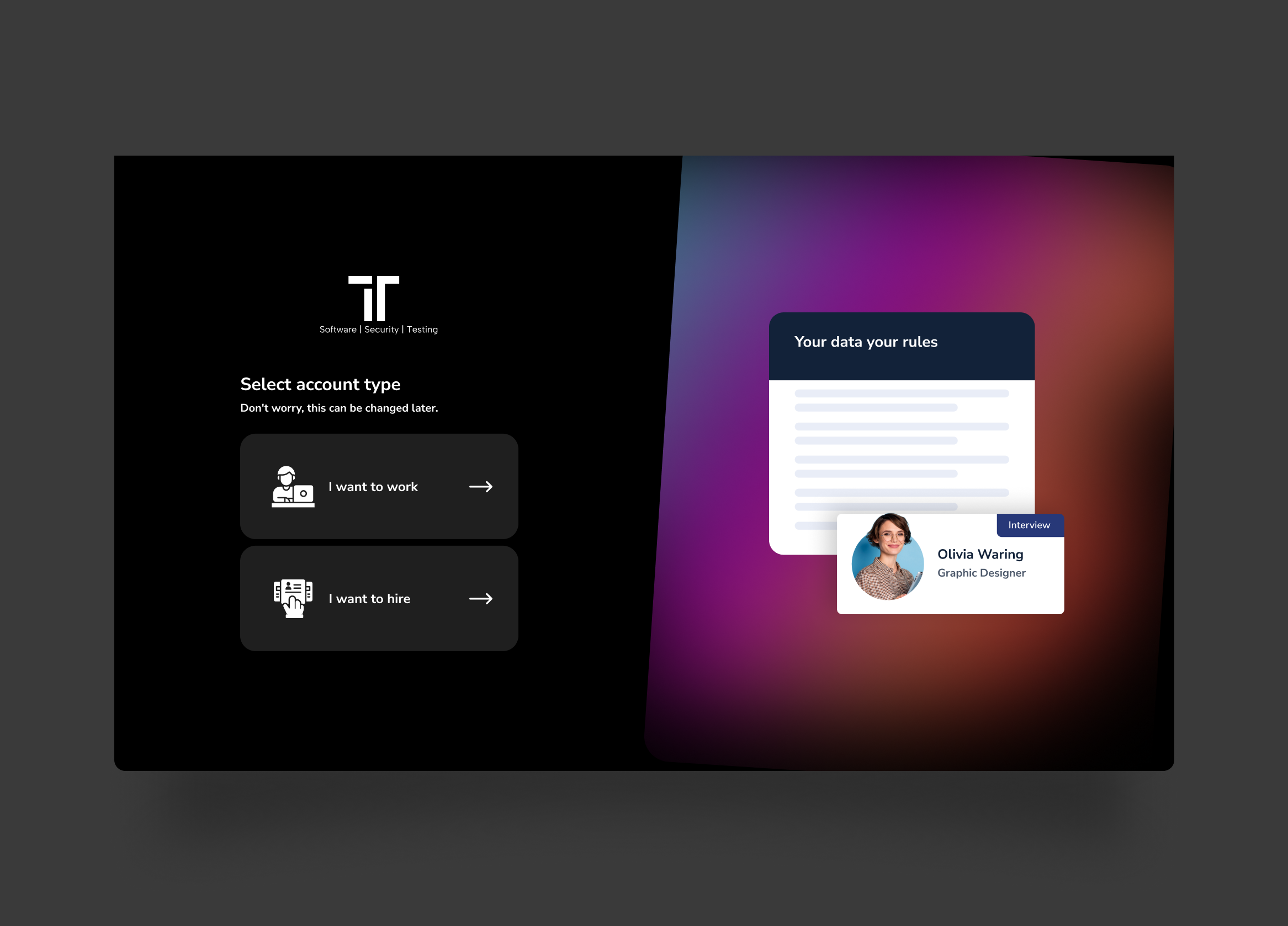
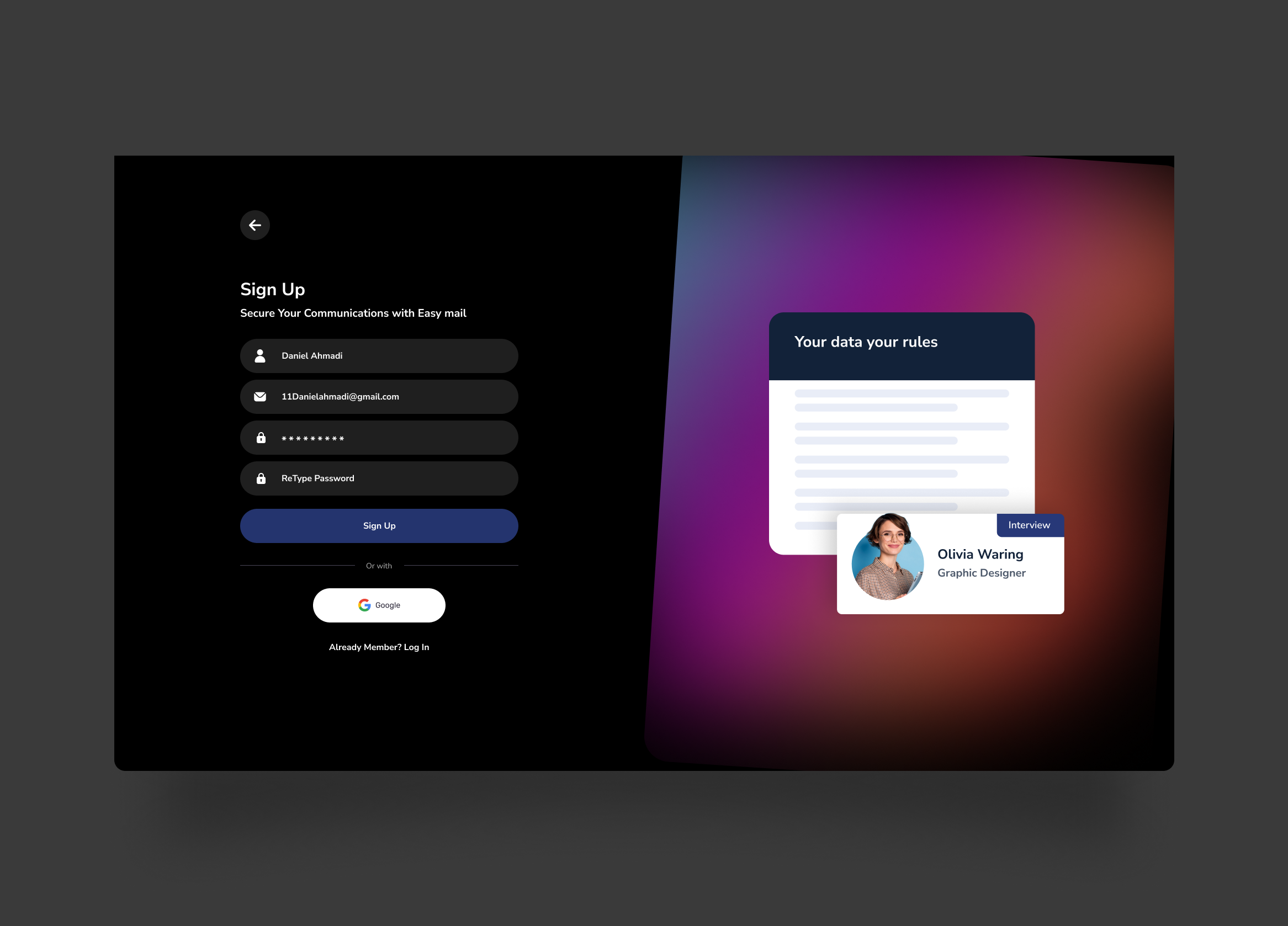
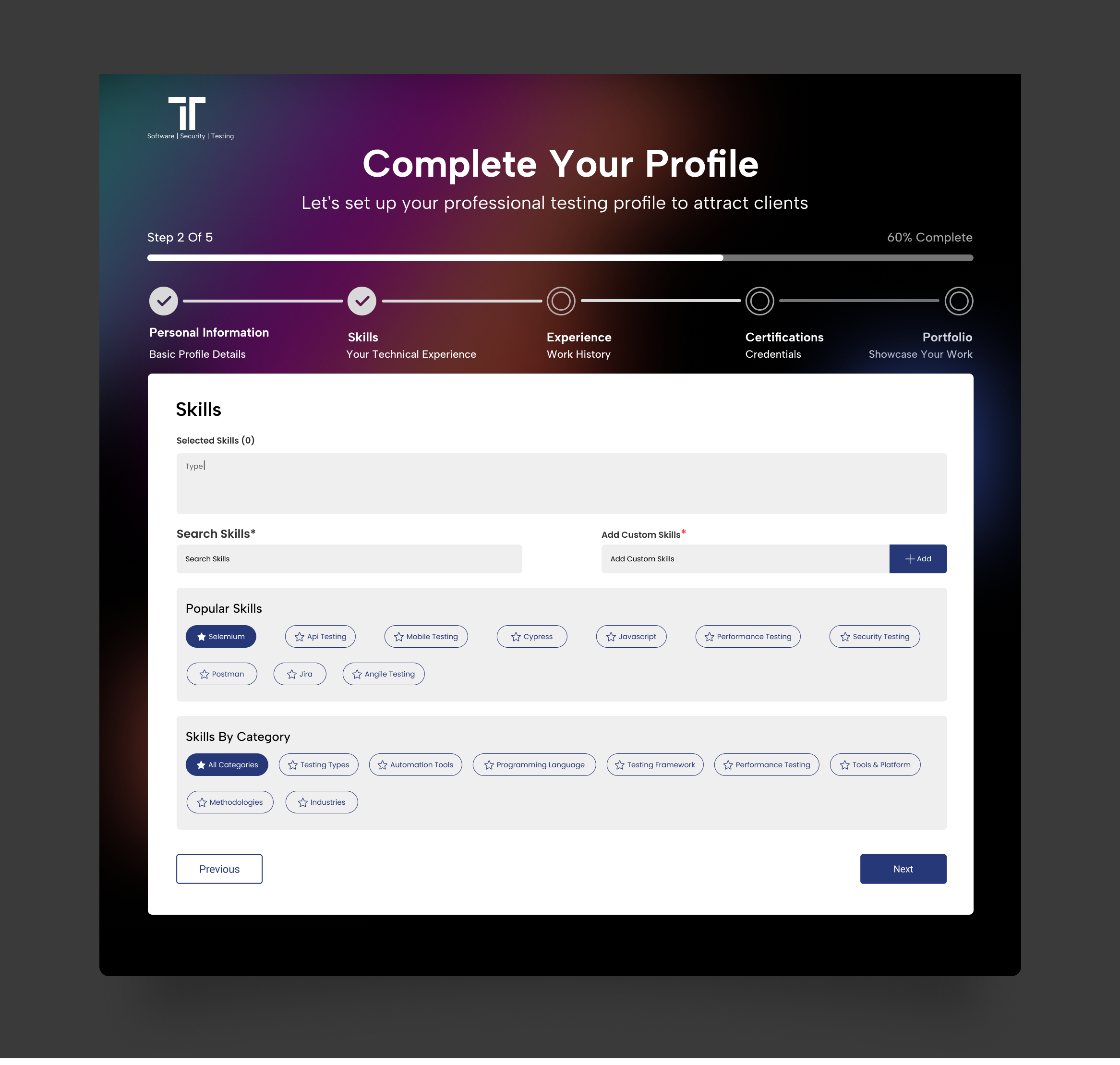
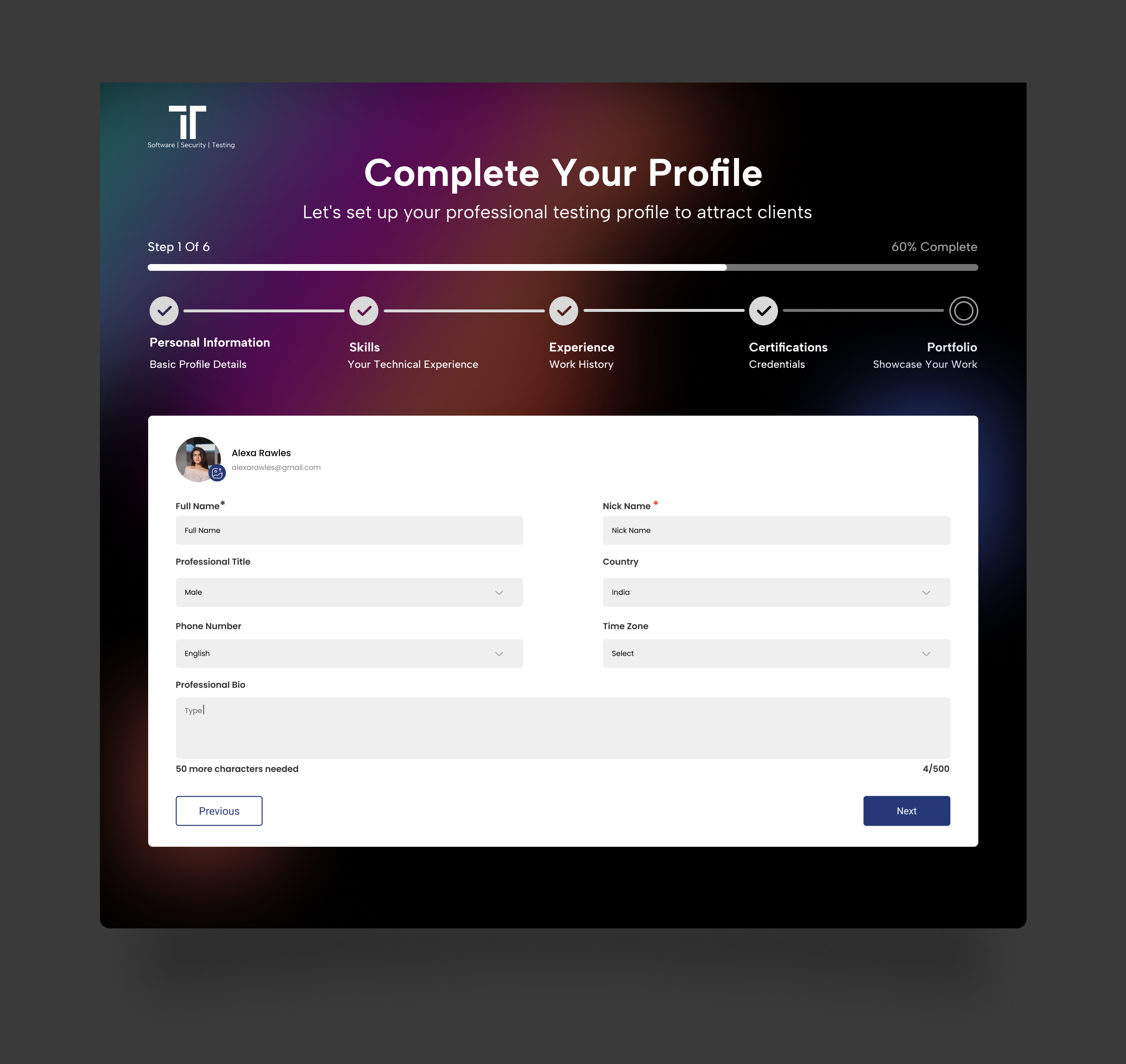
Four trust features became the foundation — Credibility Score Engine, Device Lab Verification, Proof-of-Work Validation, and structured marketplace matching. User flows were mapped for both companies and testers, then translated into 25+ production-ready screens with QA validation at every step.
Design Strategy
Design goals & success metrics
Every design decision tied to measurable outcomes — transparency for users, trust through verification, and fairness across both sides of the marketplace.
Design goal
Success metric
Create a transparent and structured workflow
Project completion rate
Build trust through verification layers
Approval rate of submissions
Make the platform fair for both clients and testers
Client satisfaction score
Reduce friction in project submission and review
Tester retention and repeat engagement
Product Features
Key design challenges & solutions
Four trust problems — each solved with a dedicated product feature and measurable outcome across the marketplace.
Challenge
Solution
Impact
Unverified tester skill
Credibility Score Engine with transparent metrics
Hire with confidence
No proof of testing environment
Device Lab Verification workflow
Hardware trust signals
Resume-only hiring
Proof-of-Work Validation & project artifacts
Skill over credentials
Fragmented marketplace discovery
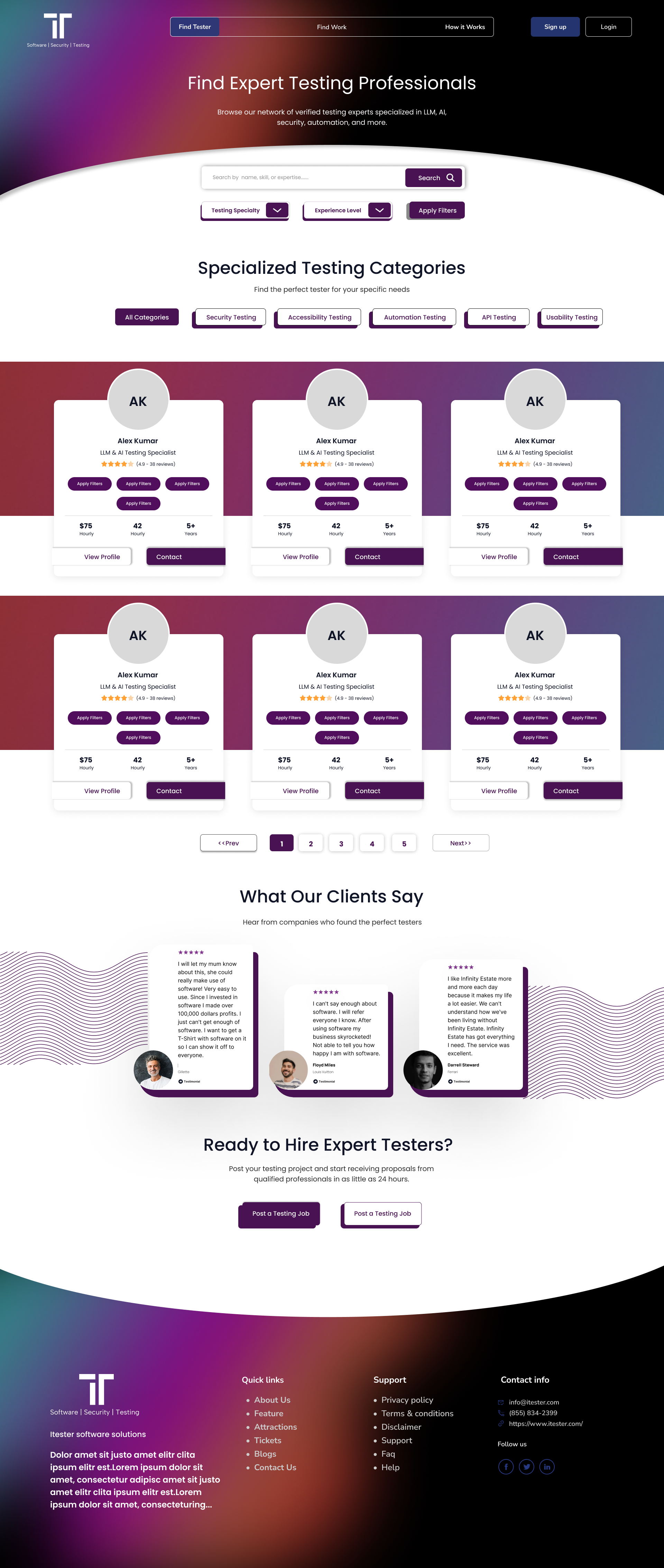
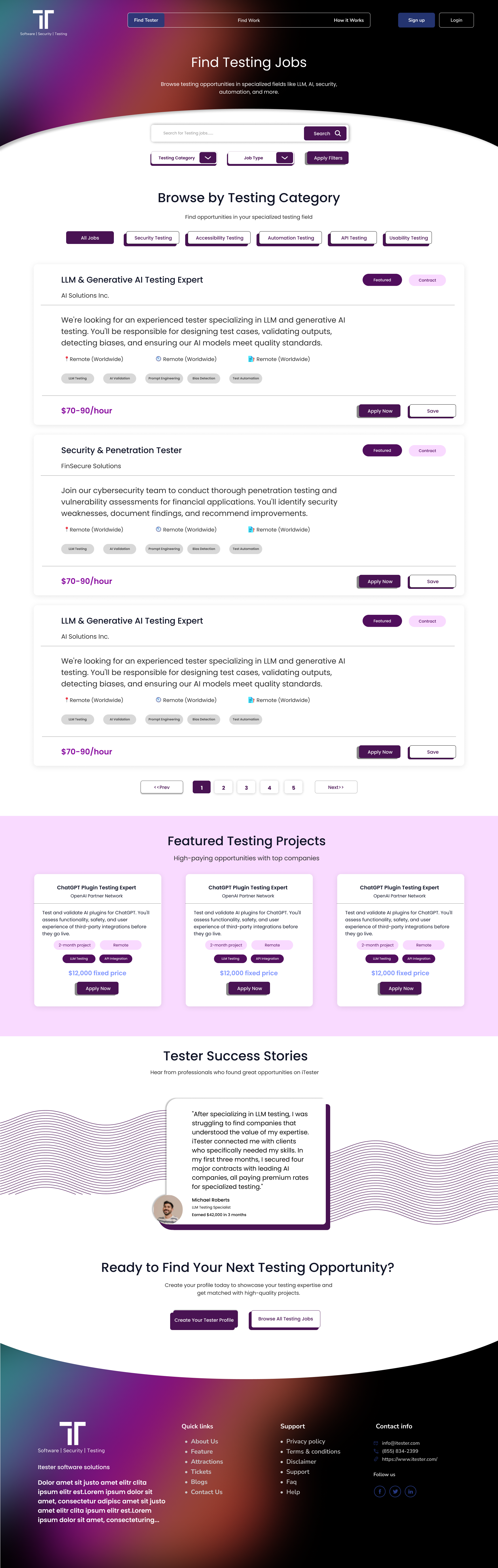
Structured matching — Find a Tester / Find Work paths
Faster connections
In practice
Marketplace · Discovery Paths
Find a TesterFind Work
Trust · Credibility & Device Lab
Credibility ScoreDevice Lab
Click any screen to enlarge
04 · Design Process
Design process
A six-stage 0 → 1 practice — from product conceptualization and PRD through validated hi-fi screens and iteration.
Process followed
1
Product Conceptualization & PRD Creation
2
User Flow Mapping
3
Wireframing & Prototyping
4
High-fidelity UI Design
5
Usability Validation
6
Iteration Based on Feedback
Design process steps
Tools usedFigmaAdobe XDMiro
03 · Key Screens
Every production screen — one marketplace
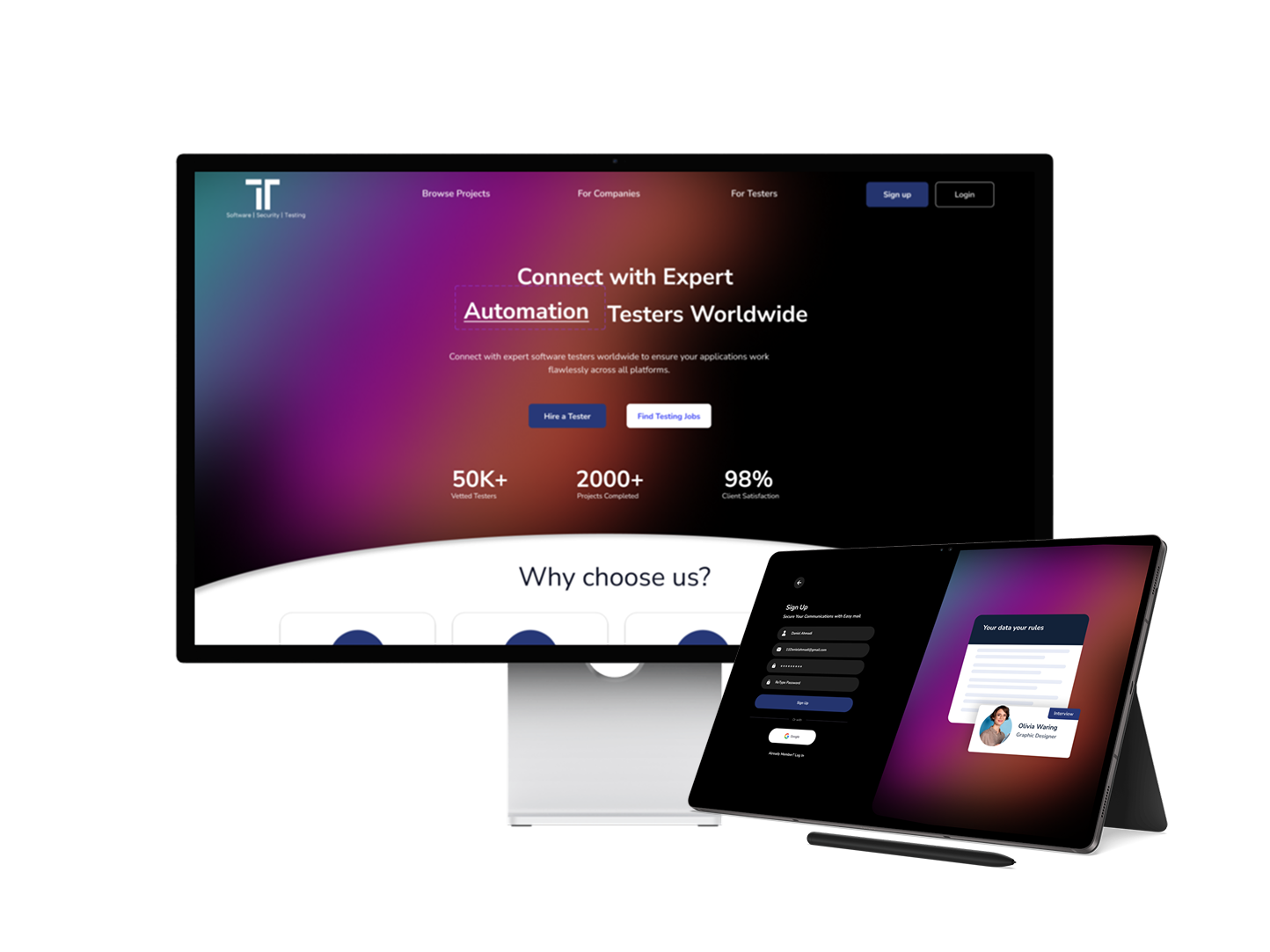
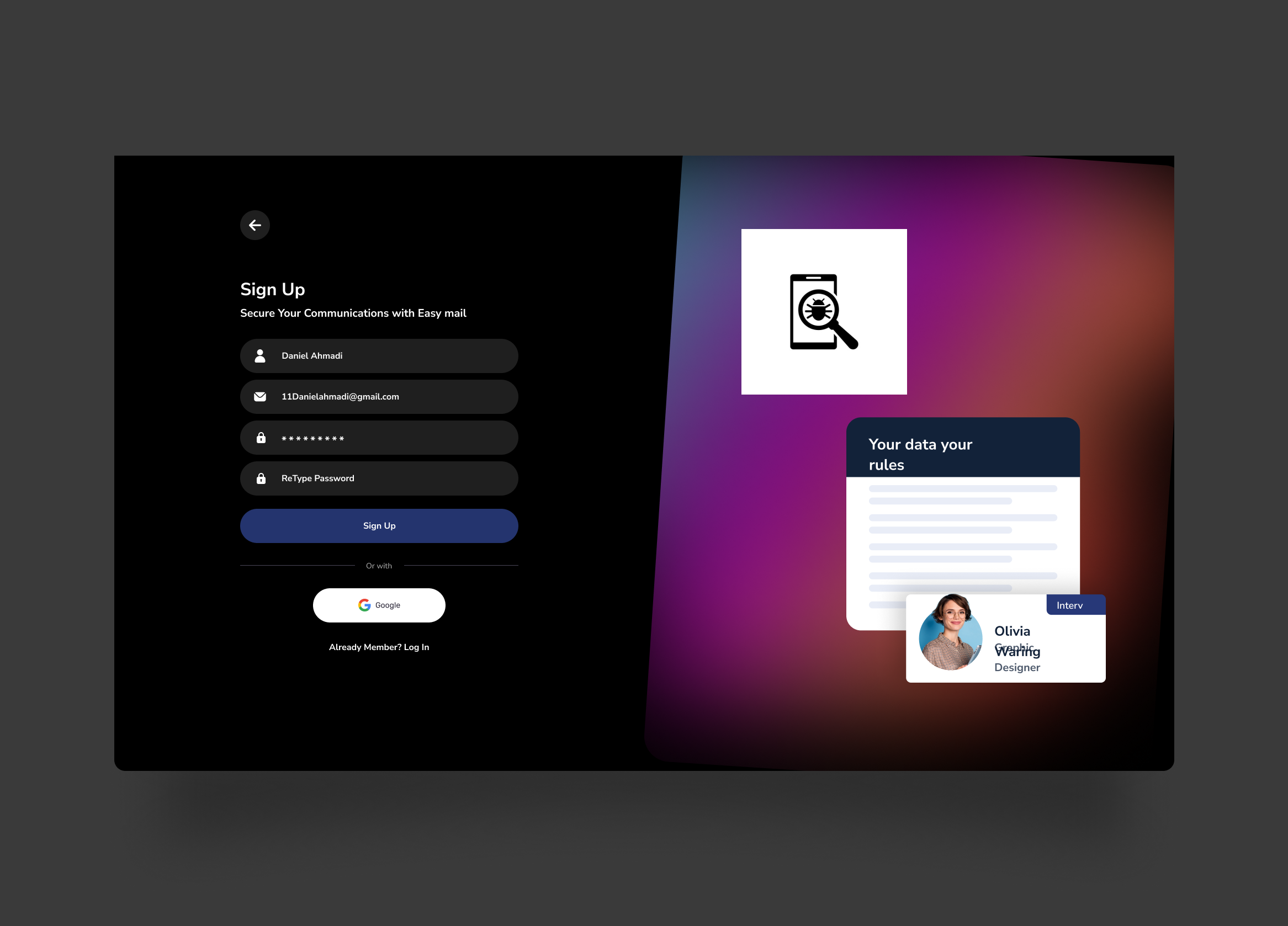
Twenty-five screens in MacBook Pro frames — 16:10 viewport, scroll inside each screen like a live website. Use arrows to browse screens.
↕ Scroll
Homepage
↕ Scroll
Find a Tester
↕ Scroll
Find Work
↕ Scroll
Marketplace
↕ Scroll
Tester Profile
↕ Scroll
Verification
↕ Scroll
Dashboard
↕ Scroll
Projects
↕ Scroll
Credibility Score
↕ Scroll
Device Lab
Scroll inside each Mac screen · Use arrows to browse screens
User Roles & Flows
User roles & personas
Three main user types — each with distinct goals and pain points mapped before a single hi-fi screen was drawn.
Role
Goal
Key Pain Points
Client
Get reliable, verified testing output
Unreliable freelancers, poor quality
Tester
Work on real projects and earn fairly
Lack of opportunities, unstable income
Admin
Maintain quality and platform trust
Manual review overhead, quality control
Client
Goal: Get reliable, verified testing output
Pain points: Unreliable freelancers, poor quality, high risk from unverified work
Tester
Goal: Work on real projects and earn fairly
Pain points: Lack of opportunities, unstable income, no proof-of-work visibility
Admin
Goal: Maintain quality and platform trust
Pain points: Manual review overhead, quality control at scale
User flows & journey architecture
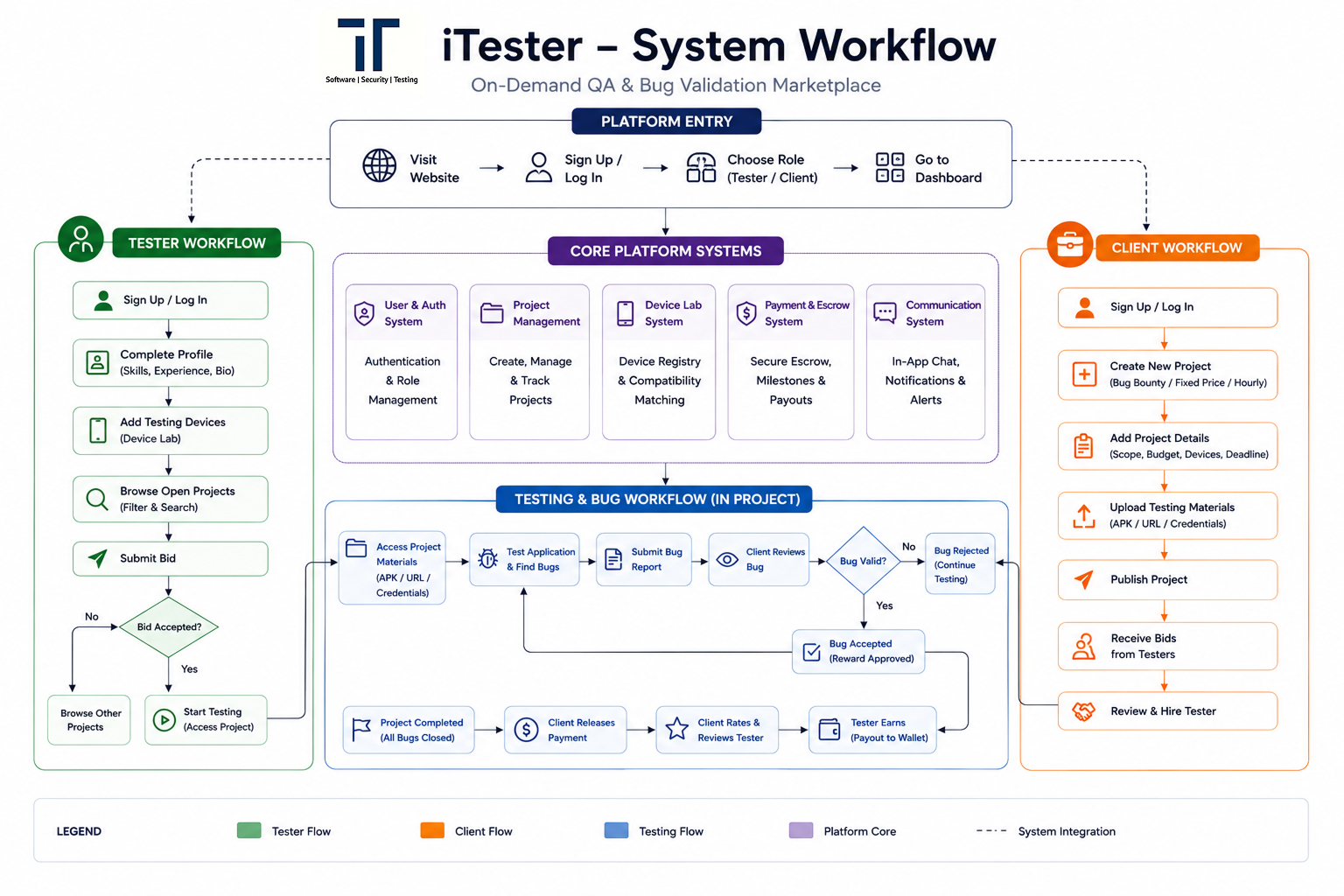
Core system workflow
Client Submits Project→Admin Structures Tasks→Tasks Assigned→Tester Executes→3-Layer Validation→Delivered to Client→Payment Released